Whiskey Proof vs ABV: Simple Conversion
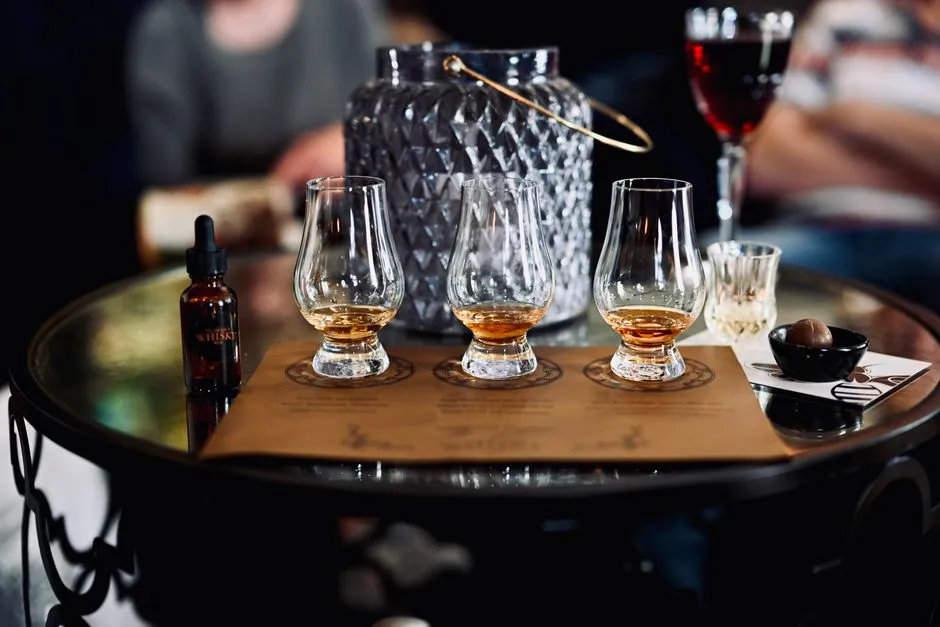
U.S. proof is exactly twice the ABV number
To convert whiskey ABV to U.S. proof, multiply by two. To convert proof to ABV, divide by two. A whiskey labeled 40% alcohol by volume is 80 proof; 50% ABV is 100 proof; 62.5% ABV is 125 proof. The calculation is simple enough that bottle labels compensate by putting it in several typefaces.
Proof and ABV conversion table
| ABV | U.S. proof |
|---|---|
| 40% | 80 |
| 45% | 90 |
| 50% | 100 |
| 55% | 110 |
| 62.5% | 125 |
The formula is ABV × 2 = proof. In reverse, proof ÷ 2 = ABV. These examples recompute directly: 45 × 2 = 90, and 110 ÷ 2 = 55.
Which number is mandatory?
TTB requires distilled-spirits alcohol content to be stated as percent alcohol by volume. Proof may also appear as optional information when properly distinguished and placed with the mandatory alcohol statement. “ABV” itself is common reader shorthand, but TTB notes that it is not an allowed abbreviation in the mandatory statement.
This is one reason the whiskey label guide starts with the formal alcohol-content wording rather than whichever number is largest.
What proof tells you
Proof tells you alcohol concentration at bottling. It does not tell you age, quality, flavor, barrel count, or whether the whiskey will feel balanced. Higher proof can increase alcohol intensity and concentrate sensory material, but two whiskeys at the same proof can taste entirely different.
Proof also appears inside production standards. Bourbon and rye must be distilled at 160 proof or lower and enter charred new oak at 125 proof or lower. Those numbers describe production stages, not the required bottling proof.
Fixed-proof and cask-strength terms
Bottled-in-bond whiskey must be bottled at exactly 100 proof. Cask-strength whiskey follows a relationship between dump proof and bottling proof, so it does not have one universal number.
When tasting higher-proof whiskey, use a small pour, nose gently, and consider measured water. Alcohol concentration is information, not a challenge.
Calculate dilution carefully
Combine 20 milliliters of 50% ABV whiskey with 5 milliliters of water. The pour contains 10 milliliters of alcohol because 20 × 0.50 = 10, while total volume becomes 25 milliliters. Divide 10 by 25 to get 0.40: a practical estimate of 40% ABV, or 80 proof. This assumes volumes combine directly and is a glass estimate, not regulatory production proofing. Your teaspoon is not applying for a federal permit.
Do not confuse stage proofs
Distillation proof, barrel-entry proof, dump proof, and bottling proof describe different moments. Bourbon's 160-proof distillation ceiling and 125-proof entry ceiling do not mean it is sold at either number. Bottling proof is the finished concentration, subject to the type minimum and any special claim such as bottled in bond.
For adults of legal drinking age. Drink responsibly and never drive after drinking.
Keep each stage attached to its own number.