Tasting & Serving
Adding Water to Whiskey: A Practical Test
Add water to whiskey gradually: taste it neat, add three to five drops of clean still water, wait briefly, and compare aroma, heat, texture, and finish.
Notice aroma, texture, flavour, and finish through a consistent process while leaving room for different perceptions. A tasting note records an observation; it does not prove quality or value. Use modest pours, provide water and non-alcoholic options, and keep driving out of the plan. Storage, glassware, water, and ice are practical choices rather than status signals.
Add water to whiskey gradually: taste it neat, add three to five drops of clean still water, wait briefly, and compare aroma, heat, texture, and finish.
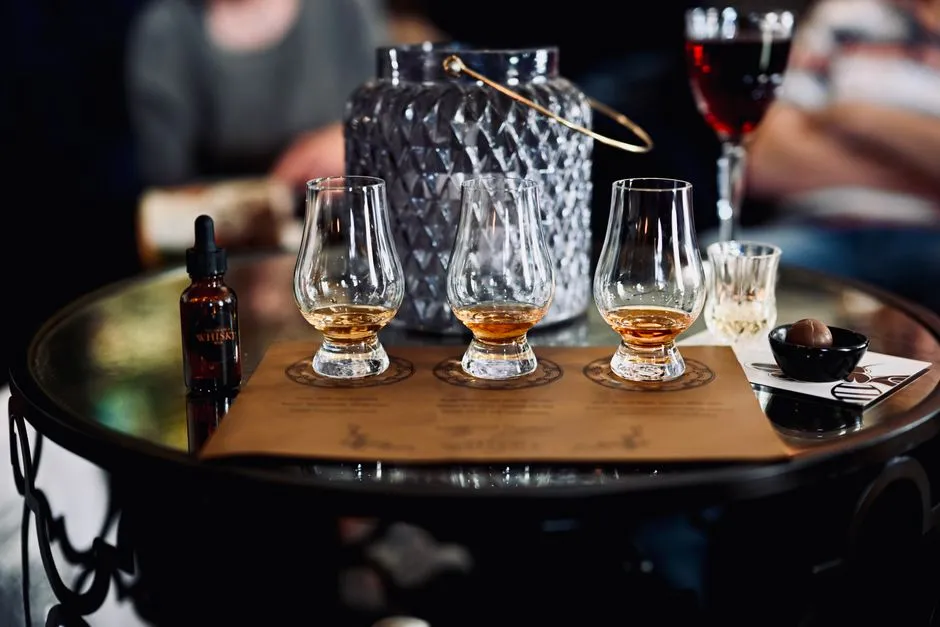
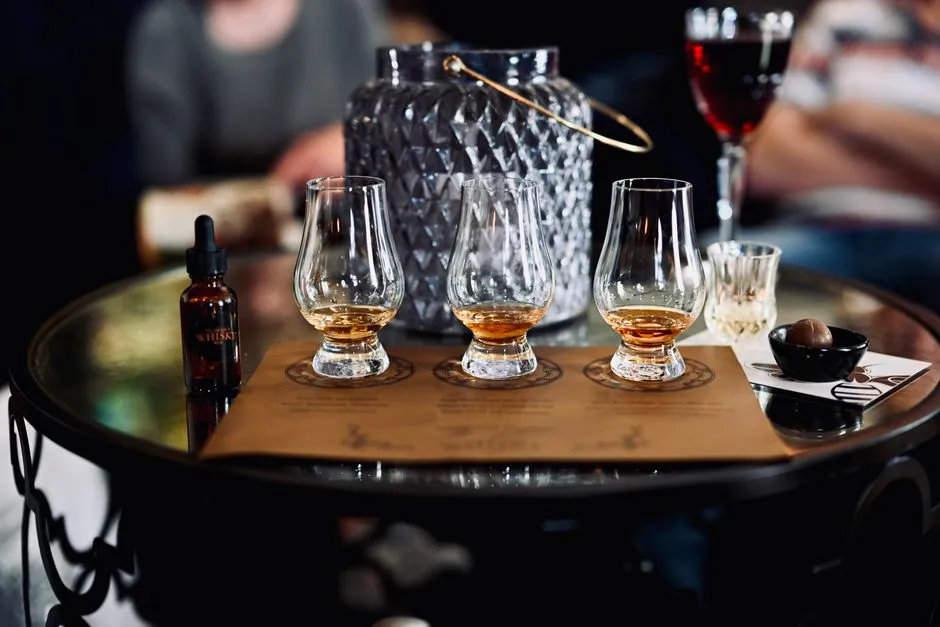
A tulip-shaped glass with a rounded bowl and narrower opening is the best general shape for focused whiskey tasting because it concentrates aroma near the…
Chill-filtered whiskey is cooled so haze-forming material becomes easier to capture, then filtered before bottling.
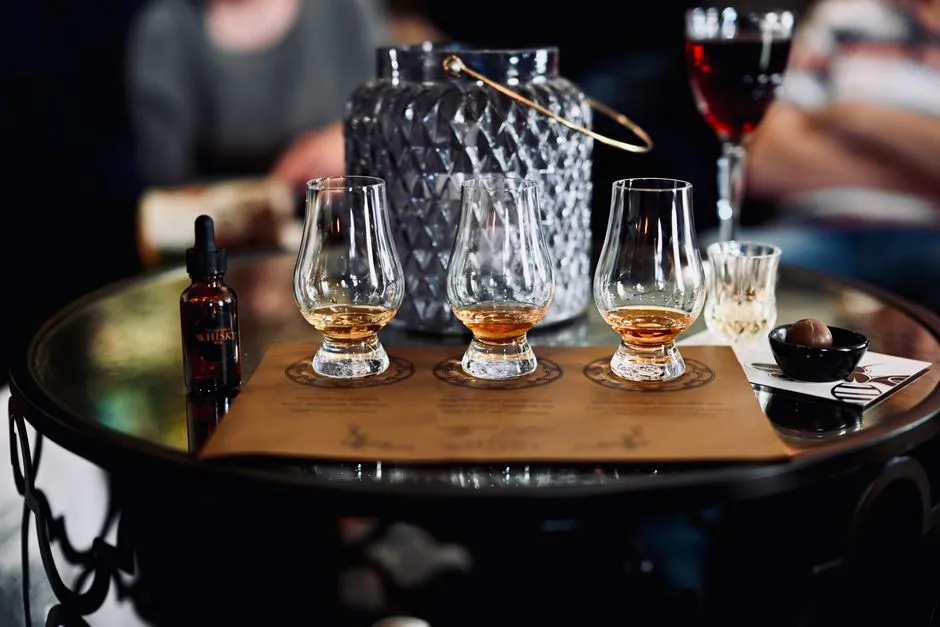
Host a whiskey tasting around one clear theme with three or four samples, identical clean glasses, small pours, water, plain food, and note sheets.
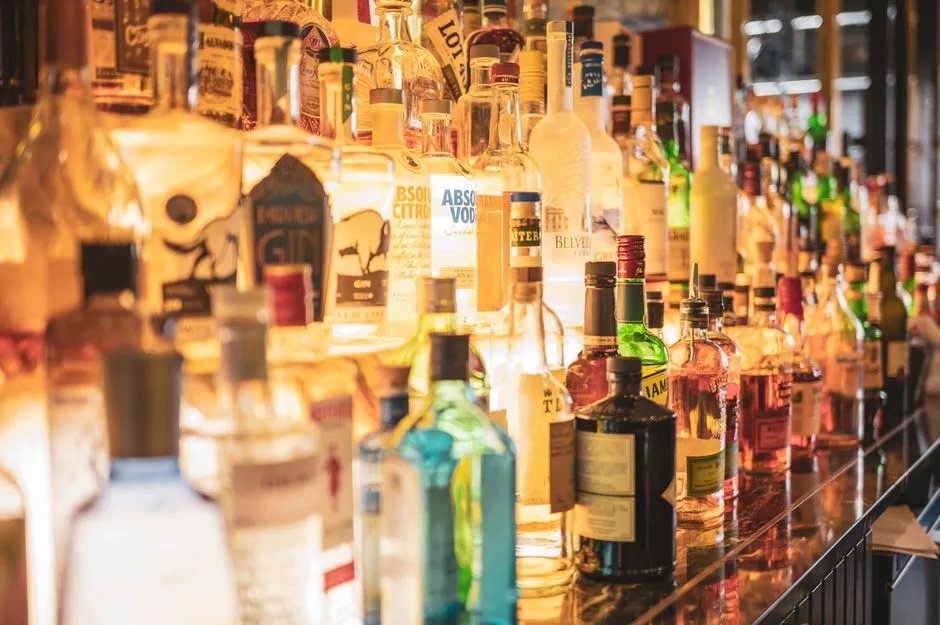
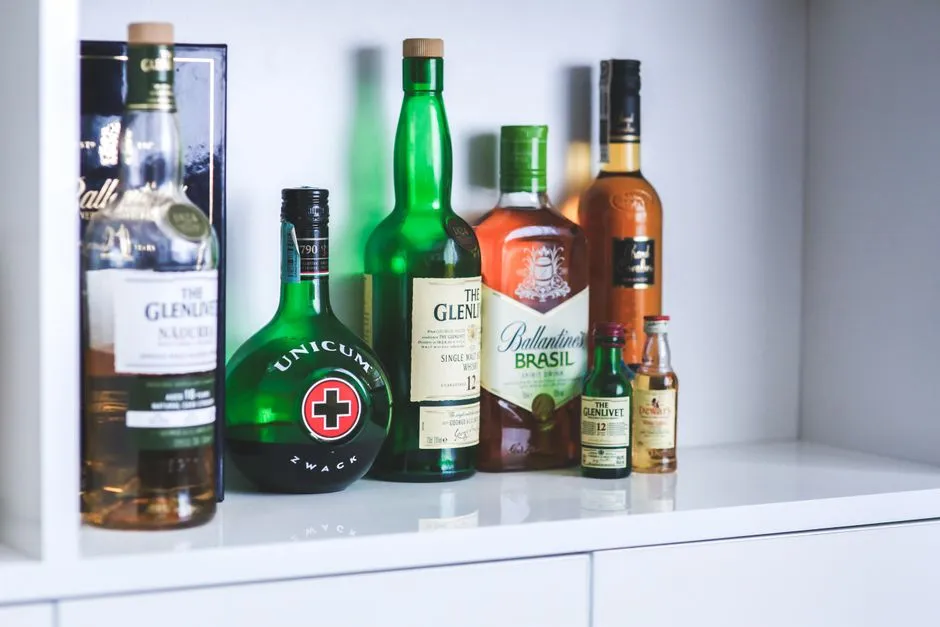
Read a whiskey label in this order: formal class or type, alcohol by volume and optional proof, age statement, regulated modifiers such as straight or…
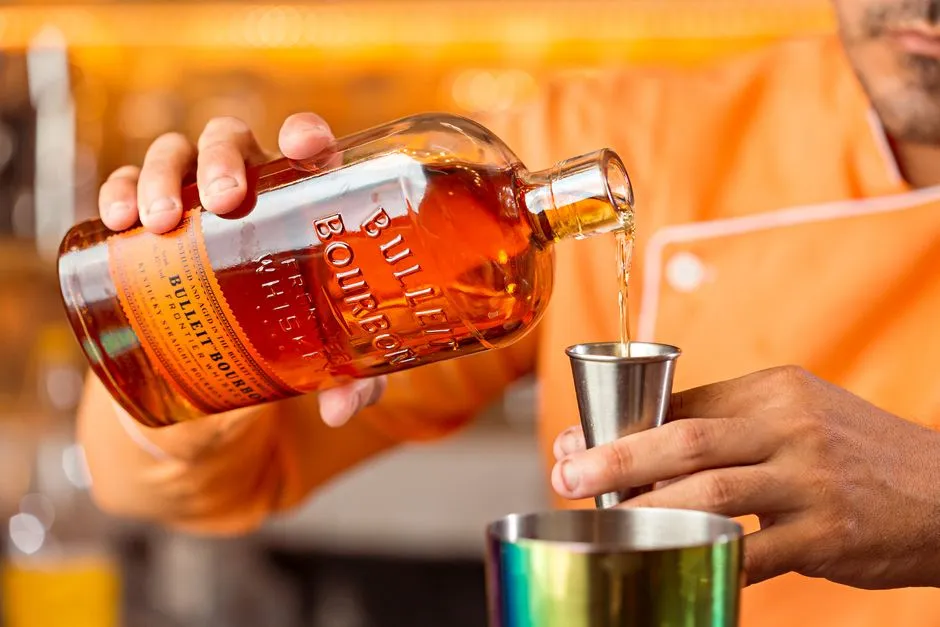
Store open whiskey upright with the cap or cork fitted tightly, in a cool, dark place with stable temperature.
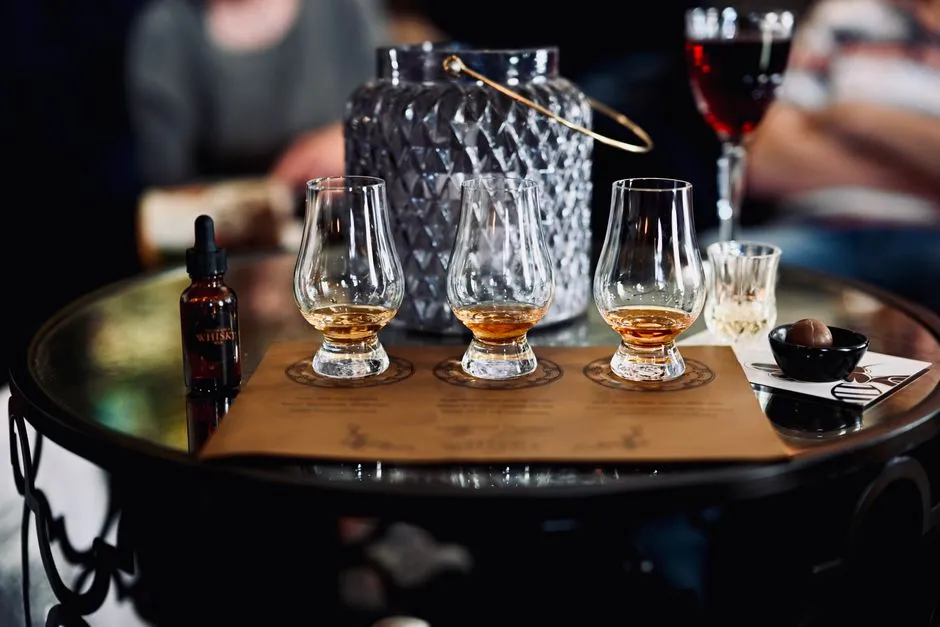
Taste whiskey in four passes: observe, nose, sip, and finish.
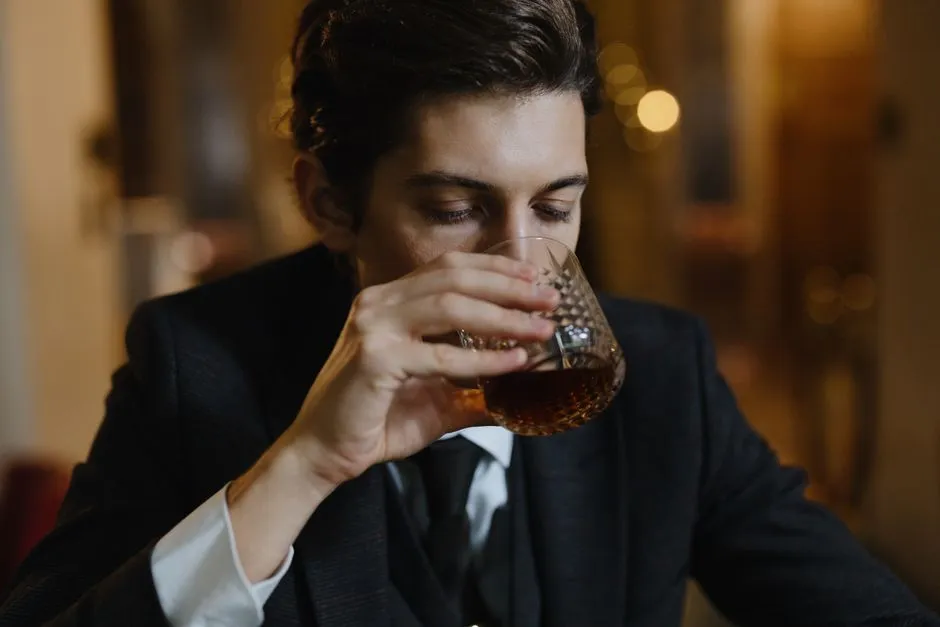
Neat whiskey is served without added water or ice, preserving the bottle's original proof and making it easier to evaluate consistently.
A whiskey's finish is the sequence of flavor, aroma, texture, warmth, and dryness that remains after swallowing or spitting.
In the United States, proof is twice the alcohol-by-volume percentage. Multiply ABV by two to get proof, or divide proof by two to get ABV.
Write whiskey tasting notes in four parts: nose, palate, texture, and finish.