How to Host a Whiskey Tasting at Home
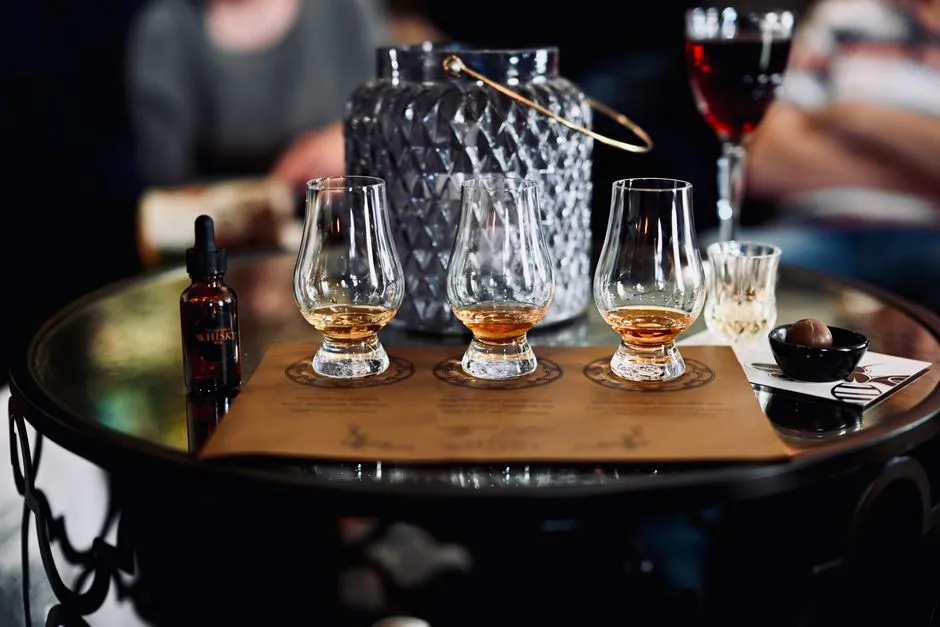
Host a whiskey tasting with small pours and one clear question
Choose three or four whiskeys, give each guest identical glassware, water, a note sheet, and small pours, then taste from lower intensity to higher. A focused theme—bourbon versus rye, proof, age, or blind label comparison—creates a better evening than assembling twelve bottles and calling the resulting fog “research.”
Choose the flight
Build the tasting around one variable:
- bourbon and rye at similar proof;
- one whiskey neat, with water, and with ice;
- small batch versus single barrel;
- three proofs from one broad style; or
- a blind comparison of familiar and unfamiliar labels.
Avoid mixing too many variables if you want useful conclusions. Three or four samples are plenty for most casual groups.
Prepare the table
Provide one identical glass per sample when possible, plus still water for drinking and dilution, plain crackers or bread, pens, and simple note sheets. Keep the room free of perfume, scented candles, smoke, and strong food aromas until evaluation is finished.
Label glasses with neutral codes for blind tasting. Record bottle identity, proof, and pour order separately. Use the glass-shape guide if choosing equipment, but clean matching glasses matter more than prestige.
Set a safe pace
Make pours small and allow time between samples. Encourage guests to spit if they are evaluating rather than drinking, and provide abundant water and food. Nobody should be pressured to finish a pour. Arrange rides, taxis, public transport, or a designated driver before tasting begins; “we will work it out later” is not transportation planning.
Serve adults of legal drinking age only, store bottles away from children, and never let a guest drive after drinking.
Run the tasting
- Explain the theme without revealing unnecessary clues.
- Give everyone quiet time to look, nose, sip, and record.
- Discuss broad impressions before guessing identities.
- Add measured water only after the neat round.
- Reveal bottles and compare the label facts with perceptions.
Use the same whiskey tasting steps for every sample. A shared tasting vocabulary keeps discussion clear without requiring agreement.
Keep the reveal humble
Blind tasting is valuable because price, packaging, and reputation can influence expectation. It is not a trap designed to expose friends. Celebrate surprising preferences and record them. The best result is not correctly identifying every bottle; it is learning which traits you actually enjoy when the label stops giving hints.
Seal and store open whiskey promptly after the event. Your future pour will appreciate the housekeeping.
Make a simple scorecard
Use five prompts: aroma, palate, texture, finish, and ‘would revisit.’ Avoid a total score until after discussion; totals create false precision and invite debate over whether vanilla deserves an 82. Add space for one surprise and one drawback. Those prompts produce better conversation than decimals.
Collect the sheets before clearing the table. At the next tasting, compare preferences across themes rather than relying on memory. The aim is a personal record, not the founding documents of a judging academy.