Small Batch vs Single Barrel Whiskey
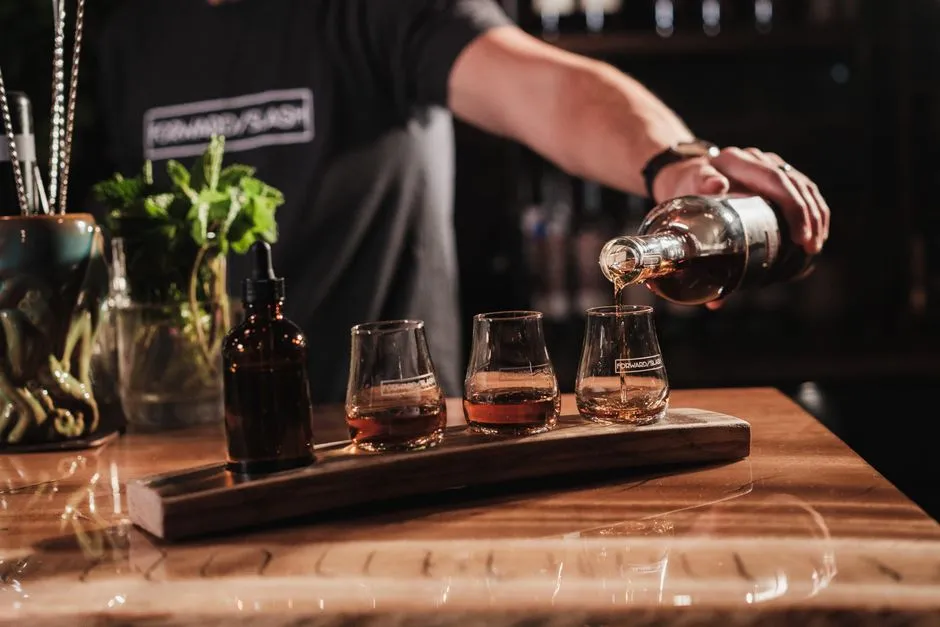
Single barrel identifies a source; small batch describes a selection
Single-barrel whiskey is presented as coming from one barrel, so bottles from different barrels may vary. Small-batch whiskey combines a selected group of barrels, but the phrase alone does not provide a universal federal batch size. Neither term carries the detailed grain, age, and cooperage guarantees found in formal types such as bourbon or straight rye.
The practical difference
| Feature | Single barrel | Small batch |
|---|---|---|
| Barrel source | One barrel | Multiple selected barrels |
| Variation between releases | Often more visible | Blending can increase consistency |
| Universal batch-size number | Not applicable | Not supplied by the phrase |
| Automatic age guarantee | No | No |
| Automatic proof guarantee | No | No |
A single barrel gives the drinker one barrel's particular expression. A small batch lets a blender combine differences: one barrel may contribute fruit, another structure, another sweetness or spice. Blending is not dilution of character; done well, it is composition.
Why small batch needs context
U.S. standards define bourbon, rye, straight whiskey, bottled in bond, and various other terms with specific production conditions. Small batch is not one of those class or type designations in the federal whiskey table. TTB's general rule for optional label information is that it must be truthful, accurate, specific, and not misleading.
That means the useful follow-up is: does the producer disclose how it uses the phrase? A barrel count, selection method, release code, or clear production note gives you more than the adjective by itself. If no detail appears, do not invent a tiny batch on the label's behalf.
Single barrel does not mean identical bottles
Even bottles drawn from the same barrel can encounter filtration or proof adjustment, and separate single barrels can taste different despite sharing a label design. Check the barrel number, bottling proof, and age information where supplied. For comparison, taste two barrel numbers side by side at similar proof.
The whiskey label guide helps you separate mandatory identity from optional storytelling. The age statement guide explains why a number refers to time rather than exclusivity.
Which should you choose?
Choose single barrel if variation is part of the fun and you want to examine one barrel's profile. Choose small batch when you are interested in the blender's assembled result or want a release designed around balance. Neither is automatically better, rarer, older, or more flavorful.
For a group experiment, include one of each in a home whiskey tasting, conceal the labels, and ask everyone to describe the difference before revealing the terms. Marketing language becomes much quieter when folded inside a paper bag.
Questions worth asking
For small batch, look for a barrel count or selection detail. For single barrel, look for barrel number, proof, age, and whether barrels are proofed consistently. Specific answers make either term more informative without converting it into a quality guarantee.
For adults of legal drinking age. Enjoy whiskey responsibly.