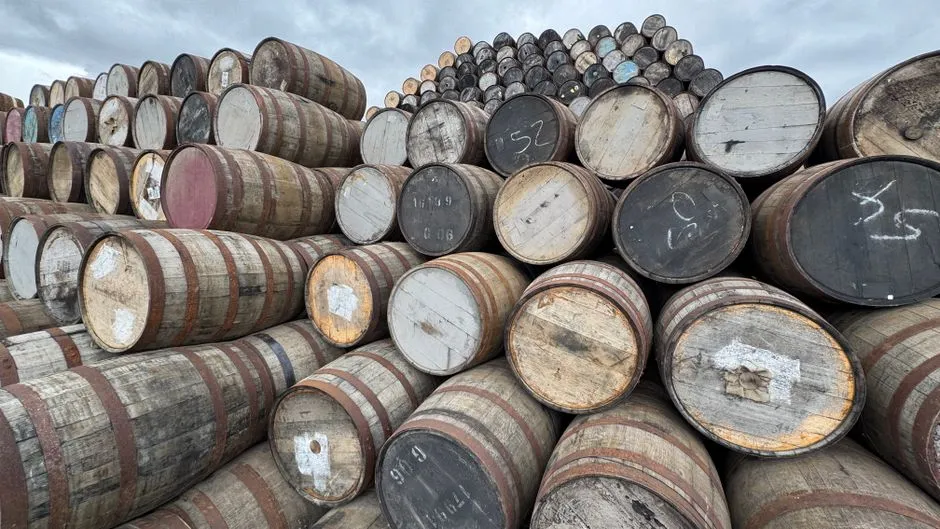
Whiskey Basics
American Single Malt Whiskey: Read the Label
American single malt whiskey is a U.S. whiskey made from a fermented mash of 100 percent malted barley, distilled at no more than 160 proof at one U.S.
Separate regulated terms from optional marketing language, then read class, age, proof, producer, and other label details together rather than treating one phrase as the whole story. Definitions and requirements depend on the named jurisdiction and current rule. Every precise production or label claim should link to the authoritative source that supports it.
American single malt whiskey is a U.S. whiskey made from a fermented mash of 100 percent malted barley, distilled at no more than 160 proof at one U.S.
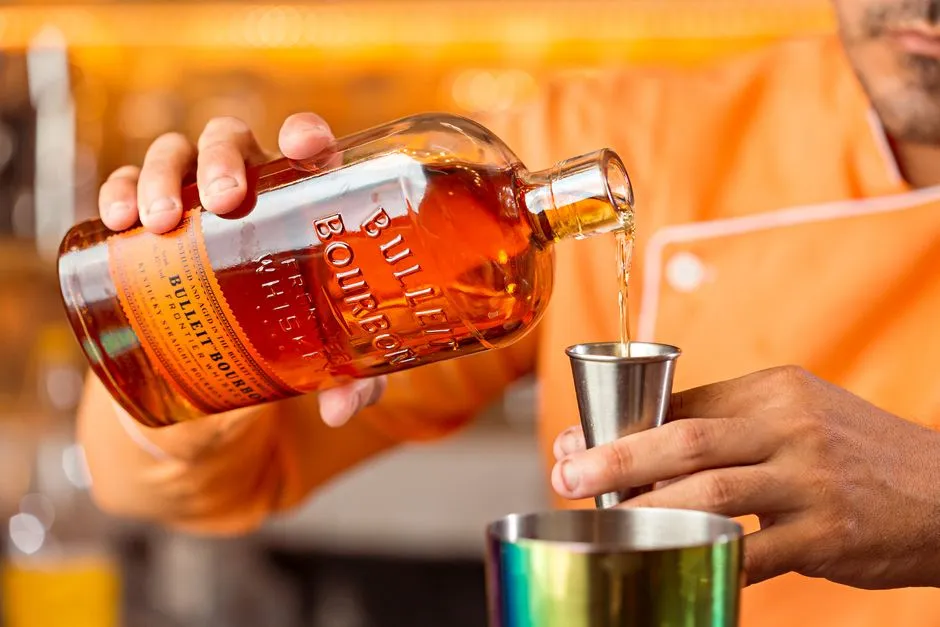
Blended whiskey contains at least 20 percent straight whiskey on a proof-gallon basis; the rest may be whiskey, neutral spirits, or both, with neutral…
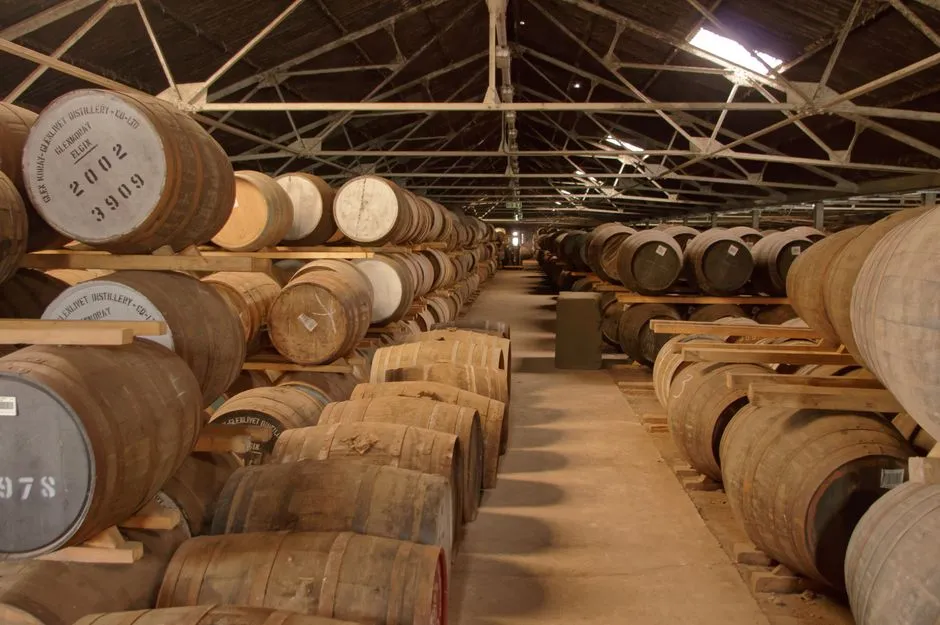
Bottled-in-bond whiskey must be the same kind of spirit from the same class of materials, made by one distiller at one distillery in one distilling…
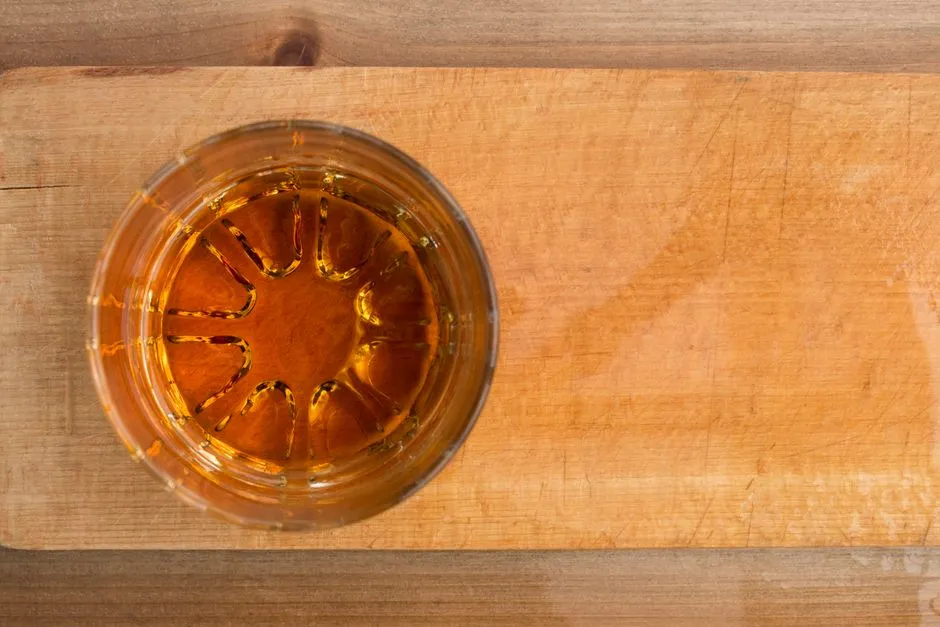
Whiskey is the broad family; bourbon is a regulated American type within it.
Cask-strength or barrel-proof whiskey is bottled at a proof no more than two degrees below its proof when dumped from the barrels.
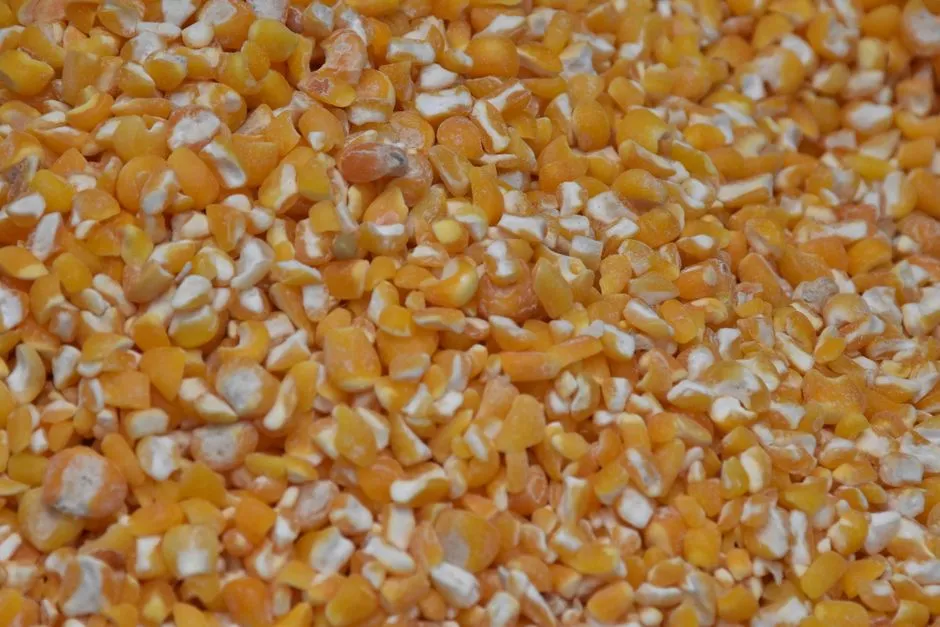
Corn whiskey requires at least 80% corn and need not be stored. If age is claimed, it uses used oak or uncharred new oak.
Light whiskey is a regulated U.S. whiskey type distilled from a fermented grain mash at more than 160 proof but less than 190 proof, then stored in used…
A pot still processes whiskey in separate batches: it is filled, run, emptied, and prepared for another charge.
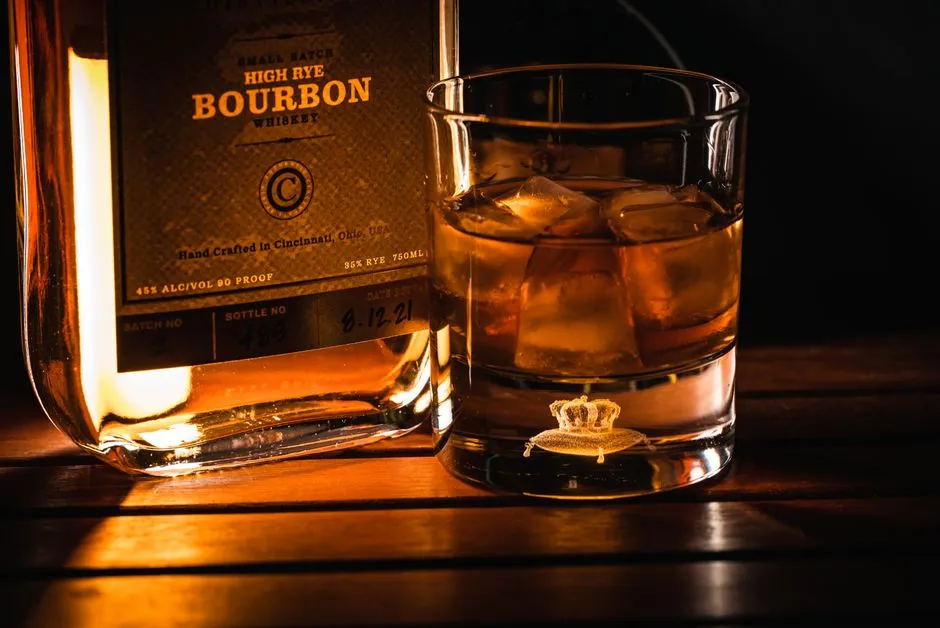
Rye whiskey must use at least 51% rye in its mash, while bourbon must use at least 51% corn. Under U.S.
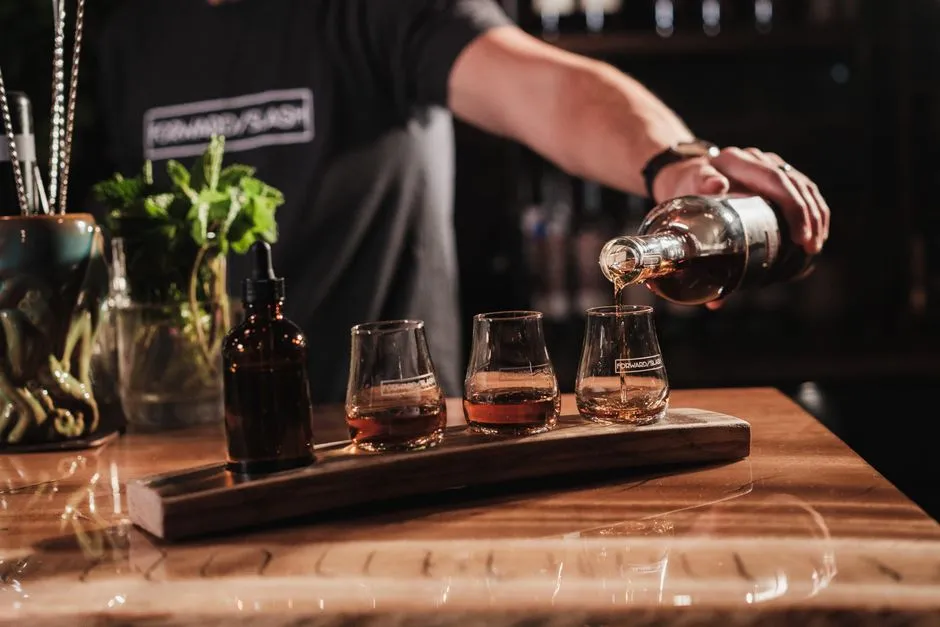
Single-barrel whiskey is presented as coming from one barrel, making barrel-to-barrel variation part of the experience.
Sour mash whiskey is made by returning a portion of backset—liquid stillage left after a previous fermented mash has been distilled—to a new grain mash.
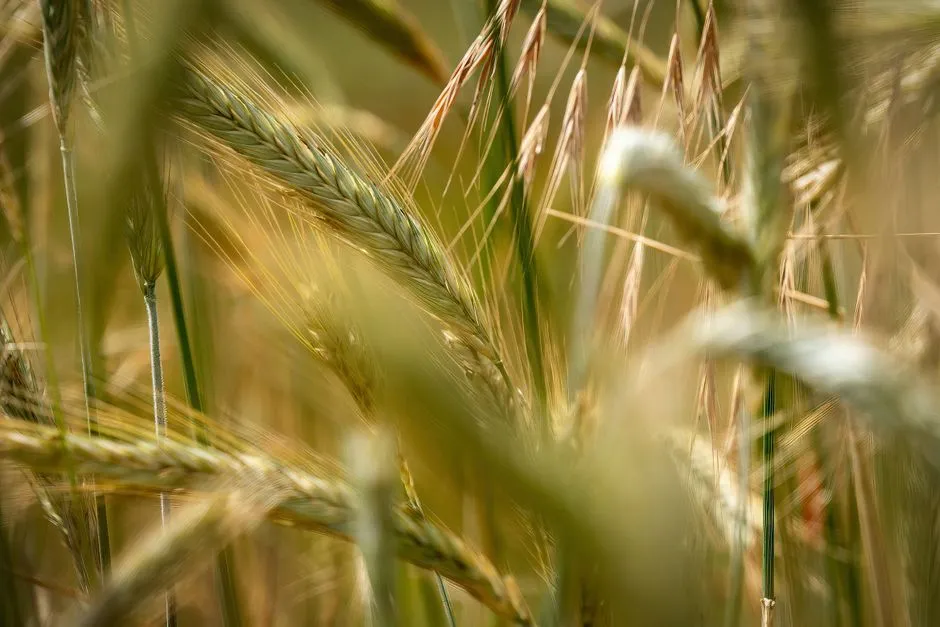
For named U.S. types such as bourbon and rye, straight whiskey must meet the type's recipe and production rules, age at least two years in the required…
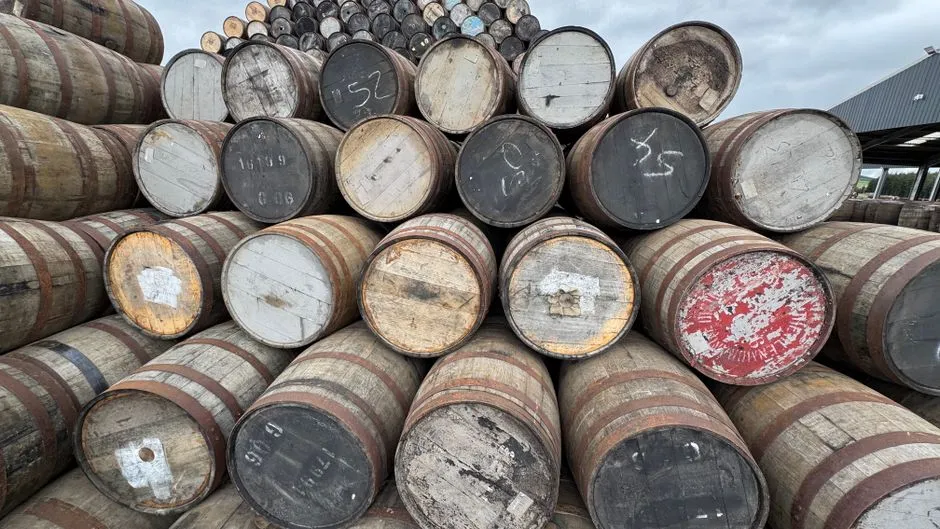
Bourbon is American whiskey made from at least 51% corn, distilled at no more than 160 proof, entered into charred new oak barrels at no more than 125…
Wheat whiskey and wheated bourbon start with different majority grains. Federal wheat whiskey requires at least 51 percent wheat.
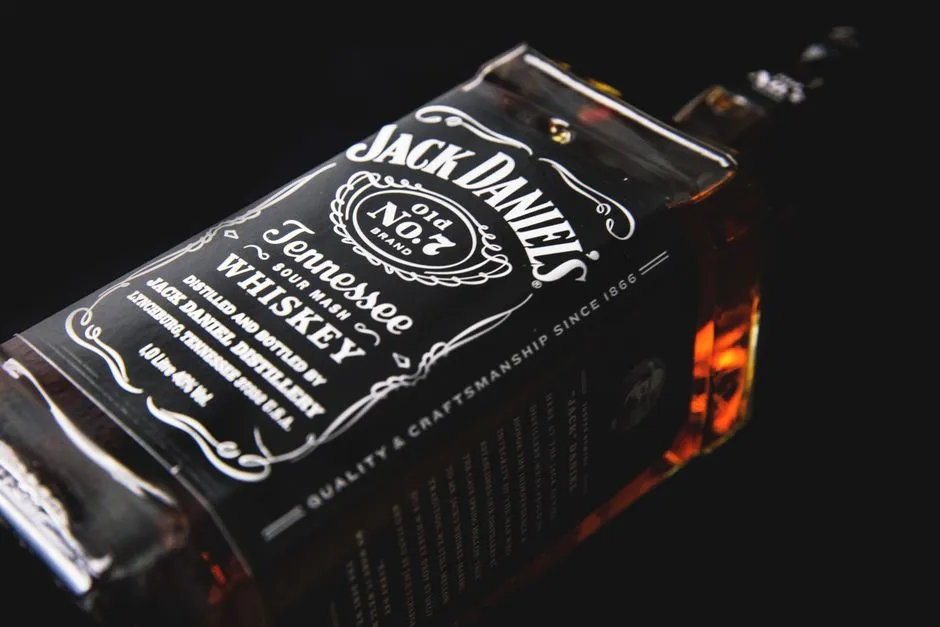
A U.S. whiskey age statement is a minimum: when the product contains no neutral spirits, one stated age identifies the youngest whiskey, not the average.
A whiskey barrel char level is a maker's shorthand for the intensity of an interior heat treatment, often linked to flame-exposure time within that…
A whiskey mash bill is the percentage recipe of grains fermented before distillation.