Rye vs Bourbon: Grain Rules and Flavor Clues
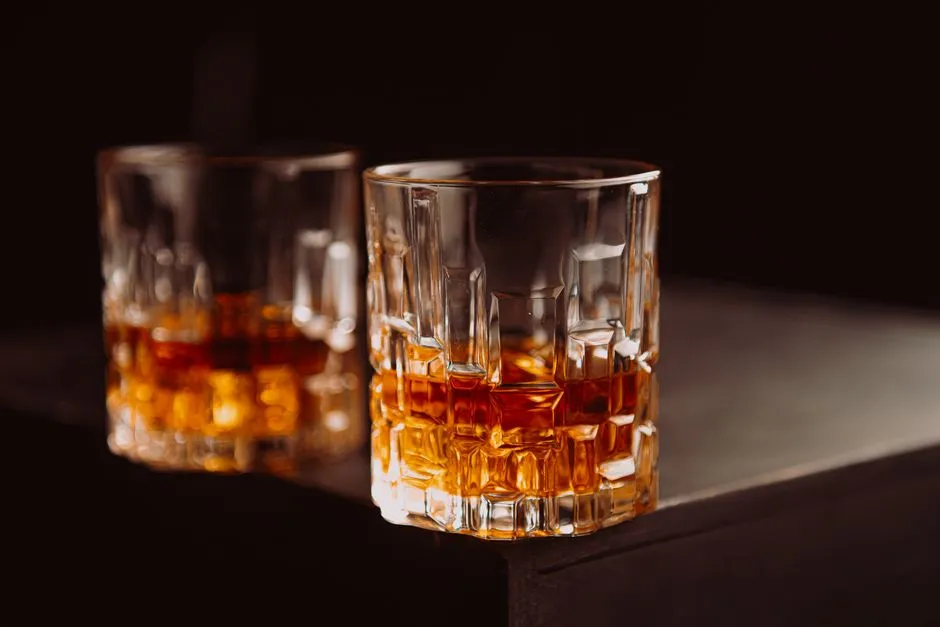
Rye and bourbon begin with different majority grains
Under U.S. standards, rye whiskey comes from a mash containing at least 51% rye, while bourbon contains at least 51% corn. Both are distilled at 160 proof or lower, enter charred new oak at 125 proof or lower, and are bottled at 80 proof or higher. Their grain rules differ; their flavor reputations are useful clues, not legally guaranteed personalities.
Rye vs bourbon rules
| Rule | Rye whiskey | Bourbon whiskey |
|---|---|---|
| Majority grain | At least 51% rye | At least 51% corn |
| Distillation ceiling | 160 proof | 160 proof |
| Barrel | Charred new oak | Charred new oak |
| Barrel-entry ceiling | 125 proof | 125 proof |
| Minimum bottling proof | 80 | 80 |
| Added coloring or flavoring | Permitted in the basic type under limited rules | Not permitted |
Add straight to either named type and the whiskey must spend at least two years in charred new oak, with no allowable coloring, flavoring, or blending materials. An age statement is generally required when whiskey is under four years old.
How they often taste
Rye is commonly associated with pepper, herbs, mint, dry grain, or lively spice. Bourbon is commonly associated with sweeter grain impressions, vanilla, caramel, fruit, and baking spice. Treat those lists as a map drawn in pencil.
A bourbon with a substantial amount of rye in its mash bill may taste brisk and spicy. A rye recipe that includes a generous secondary grain, followed by long maturation or lower bottling proof, may seem rounded. Yeast, fermentation, still design, barrel, warehouse conditions, age, blending, and dilution all get a vote.
Which is better for cocktails?
Neither wins automatically. Rye can keep its dry spice visible beside sugar, bitters, or vermouth. Bourbon can bring a rounder impression and prominent oak-derived sweetness. The sensible experiment is to make the same drink twice, changing only the whiskey and keeping the measures identical.
For neat tasting, compare bottles at similar proof if possible. A 100-proof rye against an 80-proof bourbon mostly teaches you that proof has excellent volume control. Use the same glass, pour similar amounts, and follow the same whiskey tasting steps.
How to choose
Choose bourbon when you want to explore corn-led American whiskey and rye when you want a rye-led structure. Then ignore the stereotype long enough to notice the actual glass. The legal designation reliably tells you the production lane; it cannot promise that you will taste cinnamon at precisely 8:17 p.m.
If bourbon's details are still fuzzy, start with the bourbon rulebook. Once the definitions are secure, personal preference can do its job without pretending to be federal law.
Try a blind reversal
Taste the pair blind, write your preference, then reveal and swap the glass positions for a second pass. The tiny disruption helps expose whether bottle placement or expectation was doing more work than the grain label.
For adults of legal drinking age. Enjoy whiskey responsibly.