Bourbon vs Whiskey: The Difference Made Simple
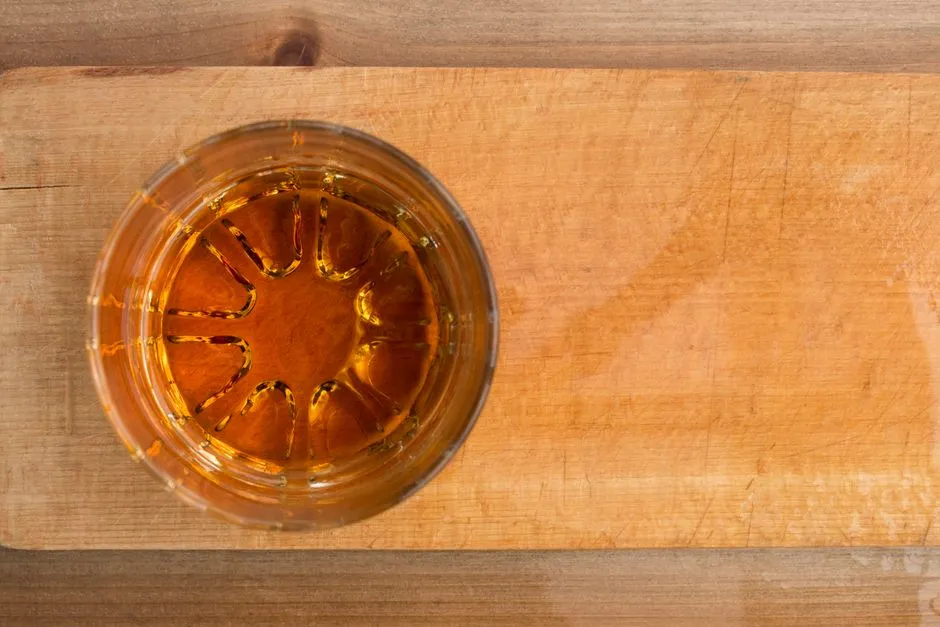
All bourbon is whiskey, but whiskey is the larger family
The difference between bourbon and whiskey is category versus subtype. Whiskey is a broad class of grain-based distilled spirits; bourbon is one American type within it, governed by rules for corn content, distillation proof, barrel entry, new charred oak, and bottling strength. Saying every whiskey is bourbon is like calling every dog a beagle. The beagles will notice.
Bourbon vs whiskey at a glance
| Question | Whiskey, broadly | Bourbon whiskey |
|---|---|---|
| Grain | Fermented mash of grain | At least 51% corn |
| Distillation ceiling | Less than 190 proof for the broad class | 160 proof or lower |
| Wood | Oak barrels, except corn whiskey need not be stored | Charred new oak barrels |
| Barrel-entry ceiling | Varies by type | 125 proof |
| Minimum bottling strength | 80 proof | 80 proof |
| Place | Depends on the specific style | United States |
The broad federal whiskey class includes bourbon, rye, wheat, malt, corn, light, blended, and other defined types. Some foreign styles have their own national rules as well. The word on the label is therefore the start of the answer, not the entire family tree.
What makes bourbon narrower
Bourbon's 51% corn minimum is only one part of the definition. It also cannot be distilled above 160 proof or enter its charred new oak barrel above 125 proof. Those ceilings preserve more character than a spirit distilled toward neutrality, while the new barrel supplies a fresh wood surface for every batch.
Current regulations do not allow the coloring, flavoring, or blending materials that the general whiskey category may permit. Read what bourbon is for the complete checklist.
Flavor is a clue, not a legal test
Bourbon is often described with corn sweetness, vanilla, caramel, baking spice, or oak. Other whiskeys can show every one of those notes. Rye is often perceived as herbal or spicy, yet a low-rye bourbon may feel softer than a high-rye bourbon, and barrel choices can rearrange the whole conversation.
You cannot certify a category by sipping blind. Use the label for identity and your senses for experience. The rye vs bourbon guide explains why grain rules create tendencies rather than flavor guarantees.
Where corn whiskey fits
Corn whiskey is not simply bourbon with extra corn. It requires at least 80% corn, and it need not be aged. If stored in wood under its standard, it uses used or uncharred new oak rather than bourbon's charred new oak rule. That difference makes corn whiskey versus bourbon a genuinely separate comparison.
A useful shopping shortcut
Read the formal type first: bourbon whiskey, rye whiskey, corn whiskey, blended whiskey, or another designation. Then read proof, age, producer statements, and optional claims. A dramatic bottle shape has legal significance only to the shelf designer.
For adults of legal drinking age. Enjoy whiskey responsibly.