What Is Bourbon? The Rules Behind the Name
Bourbon is a whiskey with a precise American rulebook
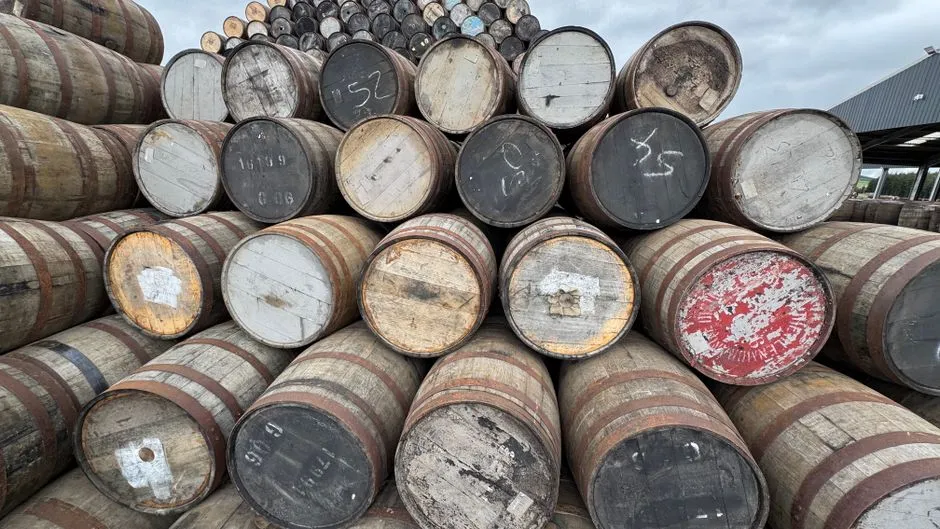
Bourbon is whiskey made in the United States from a fermented mash containing at least 51% corn. It must be distilled at 160 proof or lower, placed into charred new oak barrels at 125 proof or lower, and bottled at no less than 80 proof. Those are production rules, not tasting notes; the law does not require every bourbon to taste like caramel wearing a tiny oak hat.
The bourbon checklist
Under the current U.S. standard of identity, bourbon must meet all of these conditions:
- produced in the United States;
- made from a mash containing at least 51% corn;
- distilled at no more than 160 proof, or 80% alcohol by volume;
- entered into charred new oak barrels at no more than 125 proof;
- bottled at 80 proof or higher; and
- made without the coloring, flavoring, or blending materials allowed in some other whiskey categories.
The remaining grains are the distiller's choice. Rye, wheat, and malted barley are common possibilities, but the exact recipe is the whiskey mash bill. Two bourbons can satisfy the same legal checklist and taste dramatically different because grain proportions, fermentation, distillation, barrel, climate, age, blending, and bottling proof all matter.
Bourbon does not have to come from Kentucky
Kentucky is deeply associated with bourbon, but bourbon may be produced anywhere in the United States. A state name on the label carries a more specific implication: current federal rules permit a place, state, or region in the designation only when distillation and any required aging happened there.
That makes “Kentucky bourbon” a location claim, while “bourbon” is a national type. Geography matters, just not in the way the persistent Kentucky-only myth suggests.
Does bourbon need to be aged?
The bourbon standard requires storage in charred new oak, but it does not set a minimum duration. A product labeled straight bourbon whiskey must spend at least two years in those barrels. If a whiskey is under four years old, federal labeling rules generally require an age statement, with a bottled-in-bond exception.
This is why “bourbon” and “straight bourbon” are not interchangeable decoration. The word straight adds a minimum aging rule and tighter processing limits. Our guide to the straight whiskey meaning unpacks that small, useful word.
What the rules cannot predict
Corn establishes the majority grain, but it does not guarantee sweetness. New charred oak does not guarantee a specific vanilla level. Age does not automatically equal quality, either; more time can add oak influence until oak influence starts behaving like the guest who will not leave.
Use the definition to establish what is in the bottle, then taste what is actually in the glass. When a bottle carries a number, the whiskey age statement explains the youngest whiskey represented—not an automatic score.
Definitions first; preferences second.
For adults of legal drinking age. Enjoy whiskey responsibly.