Whiskey Mash Bills: How Grain Recipes Work
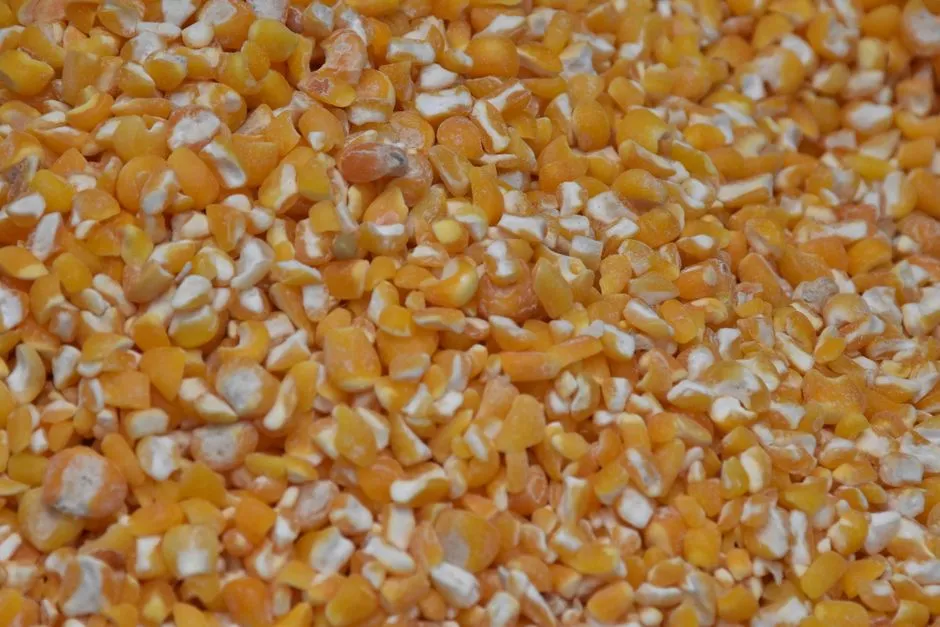
A mash bill is the grain recipe for a whiskey
A whiskey mash bill lists the proportions of grains fermented before distillation. It may combine corn, rye, wheat, malted barley, or other grains, and its percentages total 100%. The mash bill determines whether a recipe clears certain legal grain thresholds, but it does not work like a tasting-note vending machine: 20% rye does not dispense exactly two peppercorns and a sprig of mint.
Why percentages matter
U.S. whiskey types often begin with a majority-grain rule. Bourbon needs at least 51% corn, rye whiskey at least 51% rye, and corn whiskey at least 80% corn. Current federal standards also recognize wheat, malt, rye malt, and other named-grain whiskeys with their own thresholds.
That means a recipe of 70% corn, 20% rye, and 10% malted barley qualifies on grain composition for bourbon, assuming the spirit also satisfies bourbon's distillation, barrel, and bottling rules. The same recipe cannot be labeled rye whiskey because rye is not the majority grain.
For the full production context, read what makes bourbon bourbon and the rye versus bourbon comparison.
What each grain can contribute
Grain effects are tendencies shaped by the whole process:
- Corn often supports a round, sweet grain impression.
- Rye often brings dry spice, herbs, or a firmer edge.
- Wheat can read as soft bread, cereal, or gentle sweetness.
- Malted barley can add malty, nutty, or cocoa-like notes and is often useful during conversion because malting develops enzymes.
Yeast, fermentation time, distillation cuts, still design, barrel, warehouse conditions, maturation, blending, and proof can amplify or bury those signals. Treat the mash bill as one strong clue, not a complete flavor transcript.
High-rye and wheated bourbon
Terms such as high-rye bourbon and wheated bourbon are useful style descriptions, but the exact recipe may not appear on the label. Wheated bourbon generally uses wheat as a notable secondary grain instead of rye. High-rye bourbon generally contains more rye than a producer's standard recipe, but the phrase alone does not give you a universal percentage.
If a producer publishes the full bill, use the numbers. If it does not, resist turning a marketing adjective into imaginary arithmetic.
Mash bill is not the same as recipe secrecy
Some producers disclose exact percentages; others name grains without proportions. Federal labels must identify the class or type, but a complete mash bill is not one of the basic mandatory items listed by TTB. You can still learn plenty from the formal designation, age, proof, and producer statement.
The difference between corn whiskey and bourbon is a perfect example: grain percentage matters, yet the barrel rule changes the category just as decisively.
Check the math
If a disclosed bill says 68% corn, 20% rye, and 12% malted barley, the total is 68 + 20 + 12 = 100%. Corn clears bourbon's 51% threshold. The arithmetic supports the grain rule; the label must still support every other bourbon requirement.
For adults of legal drinking age. Enjoy whiskey responsibly.