How to Taste Whiskey Without Pretending
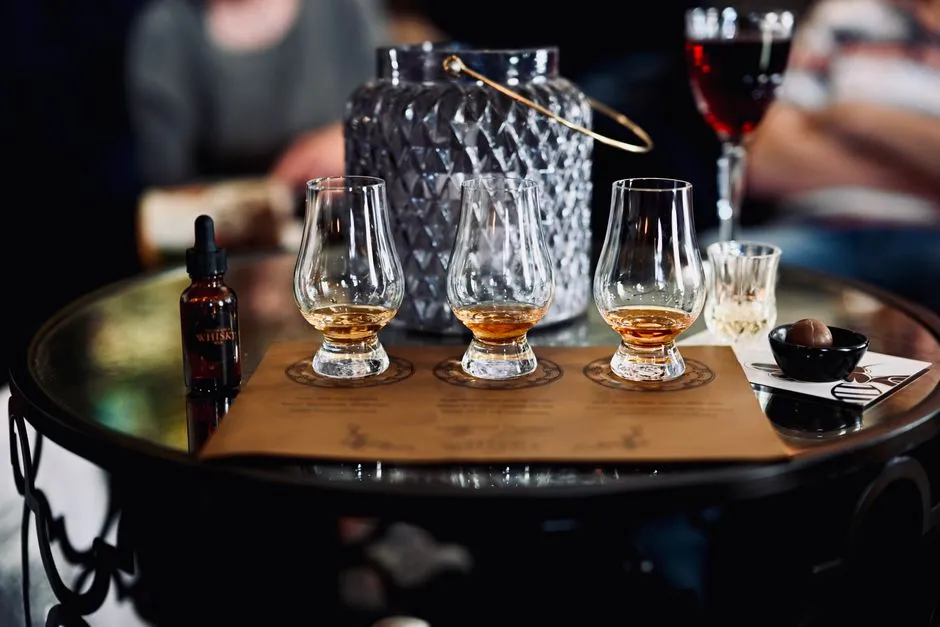
Taste whiskey in four passes: look, nose, sip, finish
To taste whiskey, pour a small measure into a clean glass, observe it without assigning quality by color, nose gently, take a small sip, and notice what remains after swallowing. Repeat once before adding water or ice. The goal is not to guess twelve desserts. It is to record clear impressions you can compare later.
Set up a fair tasting
Use a clean, odor-free glass and a room without cooking smoke, perfume, or scented candles. A tulip-shaped glass can concentrate aroma, though any clean glass works for a first pass. Pour comparable amounts and let recently poured samples settle briefly while you arrange notes and water.
If comparing bottles, keep variables controlled: similar glassware, equal pours, the same room, and a sensible order from lower intensity to higher. Our whiskey glass guide explains when shape helps and when it is simply good-looking cupboard management.
1. Look without grading
Note color and clarity, but do not translate darkness directly into age or quality. Whiskey type, barrel, time, and permitted coloring in some categories can all affect appearance. Tilt the glass and watch how the liquid moves if you enjoy it, but “legs” are not a secret scoreboard.
2. Nose gently
Hold the glass below your nose and take short, light sniffs. Move it slightly from one nostril to the other and keep your mouth a little open if that feels less sharp. If alcohol dominates, lower the glass rather than powering through.
Begin broad: grain, fruit, floral, spice, wood, sweet, earthy, smoky. Then get specific only when a memory arrives naturally. “Red apple” is useful; “an apple carried through a library during rain” may be accurate to you, but it is harder to compare on Tuesday.
3. Sip twice
Take a very small first sip and let it coat the mouth. That sip is often mostly adjustment. On the second, notice sweetness impression, acidity, bitterness, spice, texture, heat, and the movement from arrival to middle.
Write what you perceive, not what the label suggested. The tasting-note vocabulary supplies categories without forcing answers.
4. Follow the finish
After swallowing, notice which sensations remain, where they sit, and how they change. A finish can be brief or persistent, dry or sweet-seeming, warming, fruity, spicy, woody, or quiet. Longer is not automatically better; balance matters more than stopwatch drama.
Test water last
Add a few measured drops, wait, then repeat the nose and sip. Water changes alcohol concentration and can shift aroma perception. Keep the original impression beside the diluted one rather than declaring one method morally correct. The water test makes this repeatable.
Reset between samples
Drink water, pause, and use plain food if needed. Strong perfume, smoke, spicy food, and the previous high-proof sample can linger. A reset will not produce a laboratory-clean palate, but it prevents sample three from being reviewed mostly as the ghost of sample two.
For adults of legal drinking age. Taste small, pace the session, provide water, and never drive after drinking.