Adding Water to Whiskey: A Practical Test
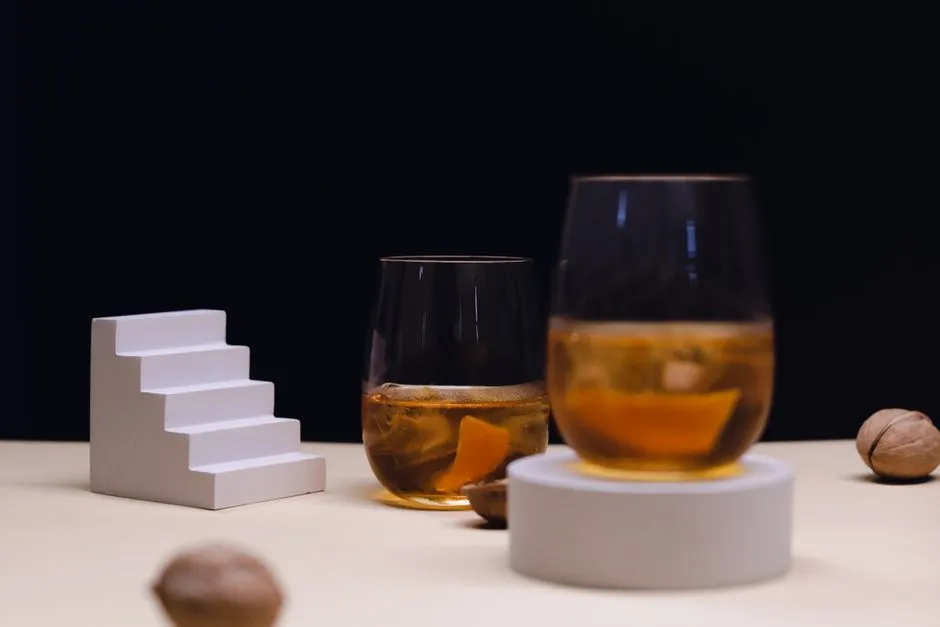
Add water in measured drops, then compare
Adding water to whiskey lowers its alcohol concentration and can change which aromas and flavors you notice. Start with the whiskey neat, add a few drops of clean room-temperature water, wait briefly, then nose and taste again. Continue in small measured steps only while the pour improves for you. A deliberate experiment beats baptizing the glass by surprise.
Why water can change aroma
Whiskey is a complex mixture of water, ethanol, and many aroma-active compounds. A 2017 molecular-simulation study examined guaiacol, a compound associated with smoky aroma, in water-ethanol mixtures. Its authors found that dilution changed guaiacol's molecular environment and its likelihood of appearing near the liquid-air interface.
That study offers a mechanism, not a promise that three drops unlock every whiskey. A later sensory and volatile-composition study found that dilution altered aroma perception, with effects depending on dilution level and sample. Your bottle and nose still get the final word.
A repeatable water test
- Pour a small measure into a clean tasting glass.
- Nose and take one small sip neat.
- Record aroma intensity, heat, texture, sweetness impression, and finish.
- Add three to five drops of still water with a dropper or teaspoon.
- Wait about a minute, then repeat.
- Add another small measured amount only if useful.
Exact drop volume varies by tool, so count drops for your own comparison rather than pretending it is laboratory-grade dilution. For a more precise trial, measure whiskey and water in milliliters.
How much water is right?
There is no universal ratio. Higher-proof whiskey often tolerates more water, while a lower-proof or delicate whiskey may lose definition quickly. Stop when aroma becomes easier to explore and the palate remains structured. If it begins to seem thin or vague, the previous step was probably your better pour.
For cask-strength whiskey, split one pour between two glasses before adjusting. That preserves a neat reference and prevents the classic experiment-ending phrase, “Well, I suppose we live here now.”
Water versus ice
Measured water changes concentration without introducing the strong cooling effect of ice. Ice changes both temperature and dilution over time, making the experience pleasant but harder to reproduce. The neat versus rocks comparison explains when each method suits the goal.
Use neutral-tasting still water. Strong mineral character, chlorine odor, carbonation, or flavored water adds another variable. Follow the standard whiskey tasting method before and after each change.
Calculate a larger dilution
For a 20-milliliter pour, adding 5 milliliters of water creates 25 milliliters total. The original whiskey then makes up 20 ÷ 25, or 80%, of the glass. This does not directly give final ABV unless you also use the starting ABV, but it creates a repeatable 4:1 whiskey-to-water trial. Write the ratio down before the second trial becomes suspiciously enthusiastic.
For adults of legal drinking age. Keep pours small, drink responsibly, and never drive after drinking.
Tiny changes can be surprisingly revealing.