Neat vs Rocks: How Serving Changes Whiskey
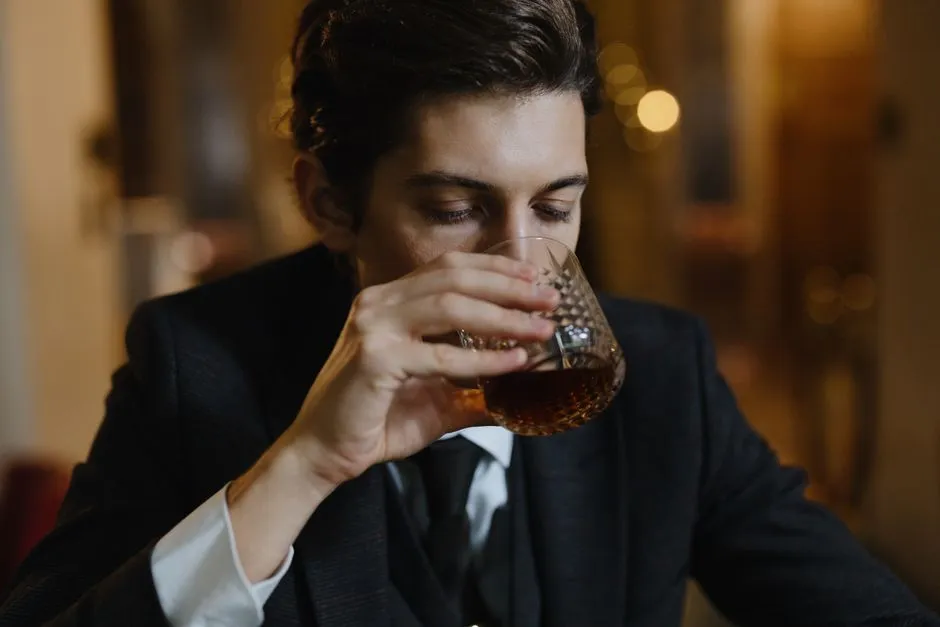
Neat preserves strength; rocks adds dilution and cooling
Whiskey served neat goes into the glass without ice, water, or mixer. Whiskey on the rocks is poured over ice, which cools and gradually dilutes it. Neat service makes the original bottling easiest to evaluate; ice can soften alcohol intensity and shift aroma, texture, and flavor as it melts. Neither method is a citizenship test for Serious Whiskey People.
Neat and rocks compared
| Feature | Neat | On the rocks |
|---|---|---|
| Temperature | Room or serving temperature | Colder |
| Dilution | None added | Increases as ice melts |
| Aroma | Often easier to notice | Cooling can reduce aroma intensity |
| Texture | Original bottling texture | Changes with water and temperature |
| Consistency | Stable during the pour | Evolves over time |
If your purpose is evaluation, begin neat and make one or two observations before changing it. If your purpose is refreshment, ice may be exactly the point.
What ice changes
Ice performs two jobs at once: it removes heat and becomes water. A large cube often dilutes more slowly than the same mass broken into small pieces because exposed surface area differs, but freezer temperature, glass, pour size, and drinking time also matter. Avoid promises that a particular cube delivers an exact dilution on schedule; your freezer has not signed that contract.
Cooling can make alcohol feel less forceful, while reduced volatility may make some aromas less obvious. As the ice melts, the whiskey can open, flatten, or simply become a different drink depending on the bottle and your preference.
A useful side-by-side test
Pour the same whiskey into two similar glasses. Leave one neat. Add one cube to the other. Nose and taste them immediately, then revisit the iced glass after several minutes. Write down temperature, aroma intensity, sweetness impression, spice, texture, and finish.
For an even cleaner dilution experiment, use measured water instead of melting ice. Our guide to adding water to whiskey keeps the variable visible.
Choose the glass for the job
A narrow tasting glass helps compare aroma when drinking neat. A wider, sturdy tumbler makes room for ice and is comfortable for relaxed sipping. Neither glass improves the liquid by social status. The best glass shape guide matches form to purpose.
So which is better?
Neat is better for learning the whiskey at its labeled proof. Rocks is better when you specifically enjoy a colder, slowly changing pour. You can also begin neat and add ice later, giving one glass two chapters and saving the dishwasher from a sequel.
Follow the same tasting steps each time so preference rests on comparison.
Record the turning point
For an iced pour, note when it tastes best to you: immediately, lightly diluted, or fully chilled. Next time, use the same cube style and pour size. Preference becomes useful when you can repeat it, not merely when you can announce it.
For adults of legal drinking age. Enjoy whiskey responsibly and never drive after drinking.